
County jobs mean working for your local county government—the layer of government between state and city that most people forget exists until they need to renew their car registration or deal with property records.
Counties run a surprising amount of essential services: courts and court records, sheriff’s departments and jails, public health departments, social services, property assessment, elections administration, roads and infrastructure, parks and recreation, animal control, building permits—the list goes on. All of that requires people, which means jobs.
These aren’t federal government positions with their prestige and bureaucracy, and they’re not city jobs with their direct community visibility. County work sits in the middle—important, necessary, and often overlooked. You’re serving your local community, but most residents probably don’t think much about county government until they personally need something.
County employment covers an enormous range of roles. You’ve got everything from clerks processing paperwork to engineers maintaining roads, from social workers handling child welfare cases to correctional officers working in county jails. The common thread is that you’re working for a local government entity funded by property taxes, fees, and state/federal grants.
Read Also: Fun Jobs in the USA: Everything You Need to Know
The Types of Jobs Counties Actually Hire For
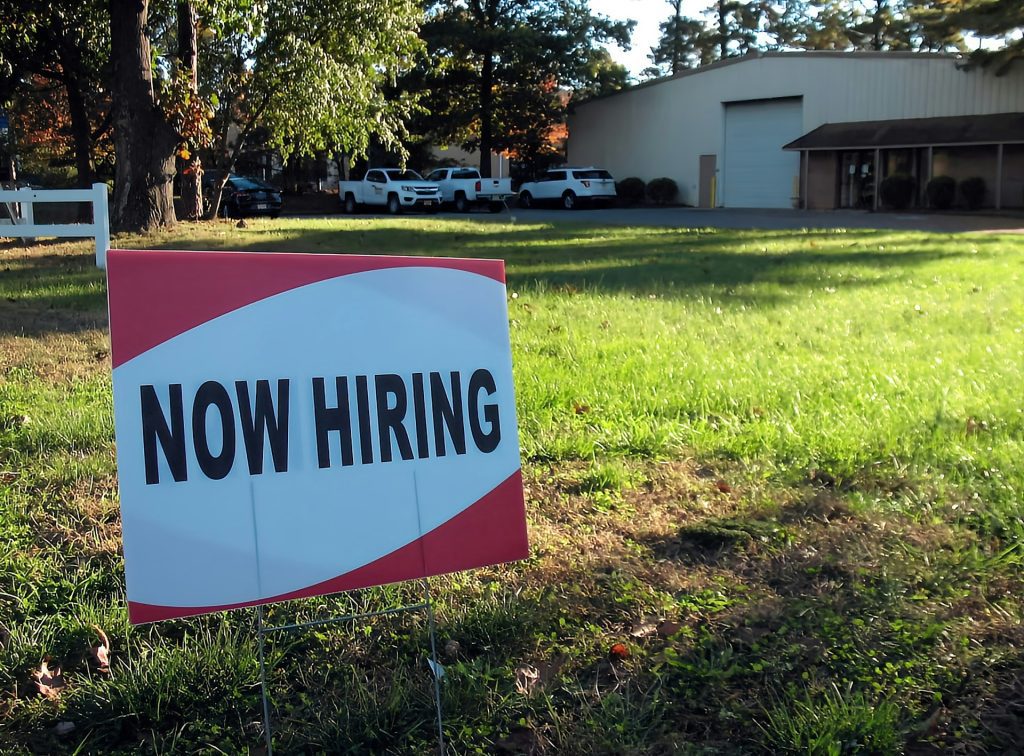 The variety of County jobs is wider than most people realize.
Clerical and administrative positions
They make up a huge chunk of county employment. The county clerk’s office staff are processing marriage licenses, birth certificates, and property records. Administrative assistants supporting various departments. Receptionists answer phones and direct the public. Data entry workers maintain databases. These roles typically pay $30,000-$45,000 annually, depending on location and experience.
You’re dealing with the public constantly—people who are often frustrated because they don’t understand government processes, people who are angry about fees they don’t want to pay, people who waited too long and now need something urgently that takes time. Patience is the main requirement.
Public safety and corrections
These include sheriff’s deputies, correctional officers working in county jails, probation officers, and emergency management staff. These roles pay better—$40,000-$65,000 for correctional officers, $50,000-$80,000+ for deputies, depending on the county—but they’re demanding and sometimes dangerous.
County jails are different from state prisons. You’re dealing with people awaiting trial, serving short sentences, or being held temporarily. The population turns over constantly. Some inmates are just there for minor infractions; others are facing serious charges. The environment can be volatile and stressful.
Social services and public health
They employ social workers, case managers, public health nurses, eligibility workers determining benefits, child protective services investigators, and mental health specialists. Pay ranges from $35,000 for entry-level eligibility workers to $60,000-$80,000 for licensed social workers with experience.
This work is emotionally heavy. You’re helping people in crisis—families losing housing, children being removed from homes, people struggling with addiction or mental illness. The caseloads are often overwhelming, the resources are never adequate, and burnout is common. But for people drawn to helping work, it’s meaningful despite being difficult.
Public works and infrastructure
These include engineers, road maintenance crews, building inspectors, environmental health specialists, sanitation workers, and facilities maintenance staff. Pay varies enormously—maintenance workers might make $35,000-$50,000 while civil engineers make $60,000-$90,000.
This is the behind-the-scenes work that keeps counties functioning. Fixing potholes, inspecting restaurants, maintaining county buildings, and managing waste systems. It’s practical, hands-on work that directly impacts the community, even if residents don’t notice until something goes wrong.
Professional and specialized roles
They include county attorneys, auditors, assessors, treasurers, human resources staff, IT specialists, and upper management. These positions require specific credentials and pay accordingly—$50,000-$120,000+ depending on the role and county size.
These jobs attract professionals who want stability and public service without the stress of private sector competition. County attorneys make less than private practice lawyers but have predictable hours and pension benefits. IT staff make less than tech company employees but rarely face layoffs.
Read Also: Sutter Health Jobs in the USA: Everything You Need to Know
What County Jobs Actually Pay
Let’s talk real numbers, because the range is massive.
Entry-level clerical positions
county clerk staff, receptionists, and administrative assistants—typically pay $32,000-$42,000 annually. In high cost-of-living areas, maybe $40,000-$50,000. In rural counties, sometimes as low as $28,000-$35,000. You’re making $15-20/hour in most cases.
That’s not poverty wages, but it’s not comfortable either. In expensive suburban counties where housing costs $1,500+/month for a one-bedroom apartment, $38,000 annually is tight. You’re probably renting with roommates or living with family.
Mid-level professional positions
social workers, engineers, deputies, specialized roles—pay $45,000-$75,000 depending on credentials, experience, and location. This is solid middle-class income in many markets, though it doesn’t go as far in expensive areas.
A social worker making $55,000 in a mid-sized county is doing okay financially, probably not thriving, but not struggling. The same salary in a wealthy suburban county near a major city might feel tight.
Senior and specialized positions
Department heads, county attorneys, senior engineers, and upper management can pay $80,000-$150,000+ in larger counties. But there are far fewer of these positions, and they require extensive experience and often advanced degrees.
Here’s what actually determines your pay:
County wealth matters enormously.
Rich suburban counties with high property values pay significantly better than poor rural counties. A clerk in Fairfax County, Virginia (wealthy DC suburbs) might make $45,000, while the same role in a struggling rural county makes $32,000. Same work, vastly different compensation.
Union representation affects pay.
Counties with unionized workforces typically have better pay scales, clearer raises, and stronger benefits. Non-union counties have more flexibility but often pay less and offer fewer protections.
Pay scales are public and structured.
Unlike private sector jobs, where salary negotiation happens, county positions usually have defined pay grades. You’re hired at a specific step within a grade based on experience, and you advance through steps based on time-in-service. This means transparency but limited negotiation power.
Cost-of-living adjustments happen, but aren’t guaranteed.
Some years, counties give 2-3% raises. In other years, budget constraints mean pay freezes. During recessions, some counties even implement furloughs or wage cuts. Your compensation growth is tied to county fiscal health and political decisions.
Read Also: Sales Development Representative Jobs in the USA — Pay, Trends & What to Expect (2026)
The Benefits of County Jobs—And What They’re Actually Worth
 County jobs’ benefits are often better than the base salary suggests, especially for long-term employees.
Health insurance
This is typically solid. Counties usually offer multiple plan options—PPO, HMO, high-deductible—with the county paying a significant portion of premiums. Family coverage might cost you $300-$600/month out of pocket, which is reasonable compared to private sector costs.
The quality varies. Some counties offer excellent coverage with low deductibles. Others have high-deductible plans that shift costs to employees. But generally, county health benefits are more stable and affordable than what small businesses offer.
Pension plans
These are the real long-term values. Many county employees participate in state or local retirement systems that provide defined-benefit pensions—guaranteed monthly income in retirement based on your years of service and salary.
Work 30 years for the county and you might retire with a pension equal to 60-75% of your final salary, plus Social Security. That’s genuine retirement security that’s increasingly rare in the private sector. But you have to stay long enough to vest (usually 5-10 years) and actually make it to retirement.
Paid time off
This accrues generously compared to private sector entry-level jobs. You might start with 2-3 weeks of vacation, 10-15 sick days, and 10-12 paid holidays annually. As you gain seniority, vacation increases—some long-term county employees get 4-5 weeks of vacation plus sick time.
Job security
This is real if you’re competent and avoid major screwups. Counties rarely do mass layoffs. Budget cuts might mean hiring freezes or elimination of vacant positions, but existing employees are usually protected unless there’s a severe fiscal crisis. Once you’re past probation (typically 6-12 months), it’s hard to get fired unless you’re incompetent, insubordinate, or commit misconduct.
The downside? All these benefits come with bureaucracy, slow advancement, and salaries that often lag behind private sector equivalents. You’re trading earning potential for stability.
Read Also: Fully Remote Jobs in the USA: The Honest Reality in 2025
What Working for a County Actually Feels Like
Beyond the job descriptions, here’s the daily reality:
The pace is slower than private sector.
Things take time. Approvals require multiple signatures. Changes need committee review. Initiatives that could happen in weeks at a company take months or years in county government. If you’re used to fast-paced private sector environments, you’ll find county work frustratingly slow.
But if you’re tired of constant urgency and artificial deadlines, county pace might feel refreshing. Nobody’s chasing quarterly earnings. Sustainable work matters more than speed.
Bureaucracy is thick and often irrational.
Want to order basic office supplies? There’s a procurement process. Need to update a form? Multiple departments need to review and approve. Simple tasks become multi-step procedures because of regulations, liability concerns, or just “that’s how we’ve always done it.”
This frustrates efficient, creative people. You’ll see obvious solutions that can’t be implemented because of bureaucratic barriers. But bureaucracy also creates protections—harder to be arbitrarily fired, clearer rules about treatment, and due process for disputes.
The technology is usually outdated.
Counties don’t have tech company budgets. You’ll work with software that’s years or decades behind current standards. Systems don’t integrate properly. Workarounds are common. IT departments are understaffed and overwhelmed.
For people who need modern tools and efficiency, this is maddening. For people who aren’t tech-focused and just want systems that mostly work, it’s tolerable.
Politics affects everything.
County government involves elected officials—commissioners, supervisors, executives—whose priorities shift based on elections. A new board majority might change department priorities, cut budgets, or push new initiatives regardless of what the staff thinks makes sense.
You’re implementing policies you might disagree with. You’re dealing with politically motivated decisions. If you’re the type who needs to fully believe in your organization’s mission and leadership, county work can be frustrating.
The public can be difficult.
Many county jobs involve helping people who are stressed, angry, confused, or dealing with crises. They don’t understand government processes. They’re frustrated by fees and regulations. They take out their frustrations on whoever’s in front of them—often you.
You need thick skin and genuine patience. Some days, you’re helping grateful people navigate confusing systems. Other days you’re the target of someone’s rage about issues completely beyond your control.
Coworkers are a mixed bag.
Some county employees are dedicated public servants who genuinely care about the work. Others are coasting toward retirement, doing the minimum required, protected by civil service rules that make termination difficult.
You’ll work with incredibly competent people who could earn more elsewhere but value stability and mission. You’ll also work with incompetent people who’ve been there for 15 years because nobody can be bothered to go through the process of firing them.
The work itself can be meaningful.
When you help someone navigate a crisis, when you process documents that let families move forward with their lives, when you maintain infrastructure that keeps communities safe—there’s genuine purpose in county work. It’s not abstract corporate goals; it’s direct community impact.
For people motivated by service, this matters more than higher salaries elsewhere.
Read Also: No Degree Highest Paying Jobs in the USA
The Civil Service Hiring Process—What Actually Happens
County hiring is different from private sector applications, and the process confuses many people.
Job postings are formal and detailed.
Counties post positions with specific qualifications, duties, and salary ranges. Everything is documented to comply with civil service rules and avoid discrimination claims. Read job postings carefully—if you don’t meet the minimum qualifications, don’t bother applying.
Applications are longer and more tedious.
You’re not just uploading a resume. You’re filling out detailed application forms, sometimes answering supplemental questions, providing employment history with specific dates and supervisor contact information. It’s tedious but necessary. Incomplete applications get rejected automatically.
The timeline is slow.
Postings stay open for weeks. Applications get reviewed by HR staff who check minimum qualifications. Qualified candidates might be invited to testing or initial screening. Interviews happen. Background checks occur. Hiring a county employee can take 2-6 months from application to start date.
If you need a job immediately, this timeline is frustrating. If you’re employed and can wait, it’s manageable.
Testing and assessments are common.
Some positions require written exams testing job-specific knowledge. Others involve skills assessments—typing tests for clerks, practical exams for technical positions. Your score might determine your ranking on an eligibility list, which affects whether you get interviewed.
Interviews are structured.
Counties often use standardized interview questions asked of all candidates to ensure fairness. You’ll get behavioral questions (“Tell me about a time when…”), scenario questions, and questions testing knowledge of the role. Interviewing panels typically include multiple people—the hiring manager, HR representatives, and sometimes current staff.
Your answers get scored according to predetermined criteria. The highest-scoring candidates get offers. It’s less about chemistry and personality fit than demonstrating competence and qualification.
Background checks are thorough.
Counties verify employment history, check criminal records, and sometimes conduct credit checks (especially for positions handling money). Past convictions don’t automatically disqualify you, but honesty is essential. Lying on applications is grounds for termination even after you’re hired.
You’ll wait for onboarding.
Even after accepting an offer, it might take weeks before your start date. HR processes paperwork, IT sets up your accounts, and your department arranges workspace and training. The wheels turn slowly.
Read Also: Entry-Level Remote Jobs in the USA (2025 & Beyond)
Rich Counties vs. Poor Counties—The Divide
Where you work within county government matters as much as what job you do.
Wealthy suburban counties (think Fairfax County VA, Montgomery County MD, Orange County CA) have robust budgets, better pay, modern facilities, and more resources. You’re making $45,000-$55,000 for clerical work, $65,000-$85,000 for professional roles. Benefits are comprehensive. Technology is relatively current. Departments are adequately staffed.
But cost of living eats that salary. Housing is expensive. Commutes are brutal. You’re living modestly on what seems like decent pay because everything costs more.
Poor rural counties pay less—maybe $32,000-$38,000 for clerical work, $45,000-$60,000 for professional roles. Budgets are tight. Facilities are aging. You’re often doing multiple jobs because there’s no money to hire adequate staff. Technology is ancient. Raises are rare.
But cost of living is proportionally lower. Housing might be $600-$900/month instead of $1,800-$2,500. Your smaller salary stretches further. Commutes are shorter. The pace is slower and less stressful.
Mid-sized counties fall somewhere in between. Adequate pay ($38,000-$48,000 for clerical, $55,000-$75,000 for professional), reasonable resources, manageable cost of living. Often the best balance of compensation and quality of life.
Read Also: Best Job Fairs in the USA: Do They Work and Which Ones Are Worth Your Time
Career Advancement in County Jobs—What’s Realistic
Can you build a career in county government, or will you stagnate?
Advancement exists but is slow and limited. You might move from Clerk I to Clerk II to Senior Clerk over 10-15 years, with modest pay increases at each step. You might eventually become a supervisor if positions open and you’re qualified and willing.
But there are far fewer senior positions than entry-level roles. Many county employees spend entire careers at similar levels, receiving step increases within their pay grade but never substantially advancing.
Moving between departments is possible. If you start in the clerk’s office but develop skills or credentials, you might transfer to social services, IT, or other departments. Internal transfers are common and sometimes easier than external hiring.
Some people use county experience as stepping stones. Work as a county social worker for 5 years, then move to a nonprofit with better pay. Work as a deputy, then join state or federal law enforcement. County experience builds credentials and connections useful for other opportunities.
Long-term employees often stay for the pension. Once you’ve got 10-15 years in, the pension calculation makes leaving financially painful. You’re forfeiting retirement benefits you’ve been building. Many county employees become “golden handcuffed”—they’re not thrilled with the work but can’t afford to walk away from their pension.
Read Also: How to Make $150000 a Year Without a Degree
Common Frustrations County Workers Face
Budget cuts and resource constraints create constant stress. You’re asked to do more with less. Positions stay vacant for months because there’s no hiring budget. Equipment breaks and doesn’t get replaced. Training gets eliminated. Raises get frozen despite inflation.
Political interference undermines good work. New commissioners or supervisors come in with agendas that don’t match operational reality. Departments get reorganized for political reasons. Good programs get cut because they’re not politically popular even if they’re effective.
Incompetent coworkers protected by civil service drag down productivity. You’re picking up slack for people who do minimal work because firing them requires extensive documentation and months of performance improvement processes that managers don’t want to deal with.
Outdated policies and resistance to change prevent improvements. “We’ve always done it this way” becomes the answer to suggestions for efficiency or modernization. Innovation is discouraged because change requires approvals and risk-taking that bureaucracies avoid.
Public misunderstanding and blame affects morale. People complain about county employees being lazy or incompetent without understanding budget constraints, staffing shortages, or regulatory requirements that limit what can be done.
Read Also: Which Country is Best for a Full Free Scholarship?
When County Employment Makes Sense
County jobs work well for certain people:
You value stability over earning potential. If you’d rather have predictable income, good benefits, and job security than chase higher salaries with more risk, county employment delivers.
You’re building toward a pension. If you can commit to 20-30 years, the pension becomes incredibly valuable. Retire at 55-60 with guaranteed income for life. That’s worth accepting lower salaries during your working years.
You want work-life balance. Most county jobs don’t involve taking work home or working weekends (except public safety). You clock in, do your job, clock out. Overtime exists but usually isn’t mandatory. For people with families or outside interests, this matters.
You believe in public service. If helping your community and contributing to essential services provides meaning, county work offers that even when salaries are modest.
You need accessible employment. Many county jobs don’t require advanced degrees. If you’ve got a high school diploma, some work experience, and are reliable, clerical and support positions are reachable.
Read Also: What Job Makes 7 Figure a Year in the USA
When County Jobs Do Not Make Sense
You need to maximize earning potential. Private sector professional roles pay significantly more than county equivalents. If income is your priority, county work will frustrate you.
You can’t handle bureaucracy. If slow processes, endless approvals, and rigid rules make you miserable, county government will drive you crazy.
You need fast-paced, dynamic environments. County work rarely provides constant excitement or rapid change. If you need high stimulation, look elsewhere.
You’re early in your career without clear direction. Committing to county employment young might limit your options later. Private sector experience often provides more skill development and flexibility.
Read Also: Best Workers’ Compensation Lawyers in the USA: How to Find the Right One
Conclusion on County Jobs
County jobs offer stability, benefits, and public service opportunities with accessible entry requirements. For people who value predictable employment, pension benefits, and serving their communities, county work provides genuine advantages.
But the trade-offs are real: lower salaries compared to private sector equivalents, thick bureaucracy, slow advancement, political interference, and frustrations with outdated systems and incompetent coworkers protected by civil service.
The best county employees are people who fit the culture—patient, service-oriented, able to tolerate bureaucracy, willing to trade earning potential for stability, and capable of finding meaning in incremental progress on important but unglamorous work.
If that describes you, county employment might be worth exploring. Just go into County jobs with realistic expectations about pay, pace, and organizational limitations. Talk to current county employees if possible. Ask about specific departments’ reputations—some are well-run with good management, others are dysfunctional nightmares.
County government needs competent, dedicated people. It won’t make you rich, and it won’t always appreciate your efforts. But for people who fit the environment, it provides stable, meaningful work serving communities that desperately need functioning local government.